May 1st, 2026
Cupping Therapy: A Complete Guide to Pain Relief and Recovery
Acupuncture
How does Cupping Therapy work?
Cupping therapy is an age-old healing practice that has found a renewed place in modern wellness routines. While it may look unusual at first glance, its underlying purpose is simple: to encourage the body to heal itself by improving circulation, reducing tension, and supporting overall balance.
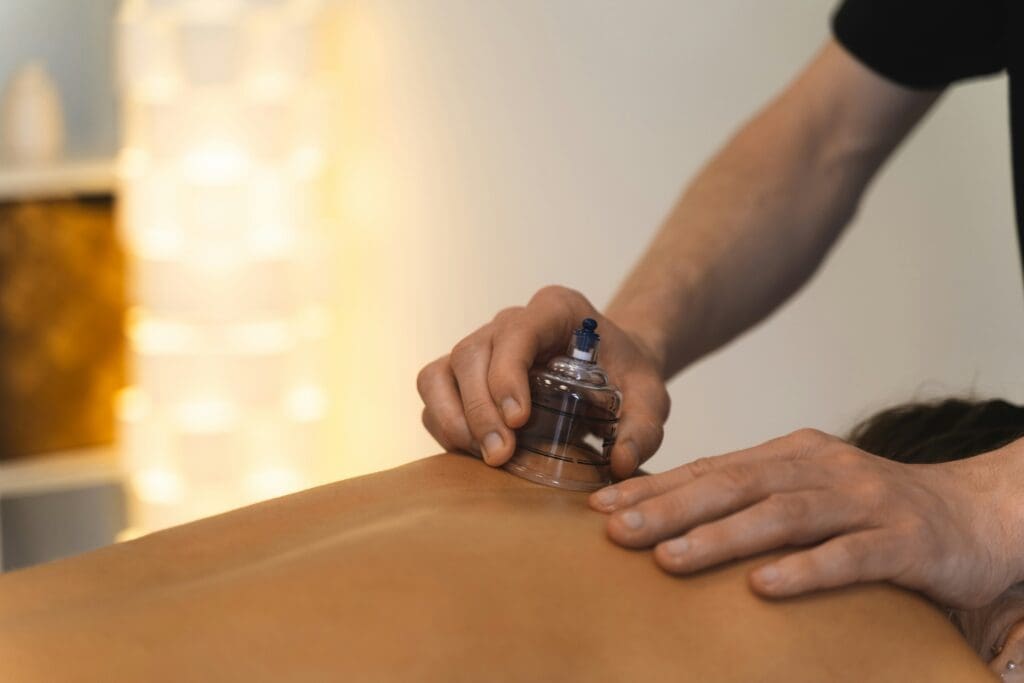
At its core, cupping involves placing specially designed cups on the skin to create suction. This suction gently lifts the skin and underlying tissue, creating space within the muscle layers. Unlike techniques that rely on downward pressure, cupping works by drawing tissues upward, which can help loosen tight areas and stimulate blood flow in a different and often deeply effective way.
What does Cupping Therapy feel like?
The experience of cupping is typically calm and restorative. Once the cups are applied, many people report a warming or pulling sensation. This feeling is generally not painful; instead, it often brings a sense of release, especially in areas where the body has been holding tension. Sessions can be tailored to the individual, with cups either left in place (static cupping) or gently moved across the skin (dynamic cupping) to create a massage-like effect.
Types of Cupping available at Ohana Wellness Clinic
Each of our Registered Acupuncturists, our Naturopathic Doctor, and many of our Registered Massage Therapists incorporate Cupping into their treatments. There are many different styles of cups and applications for use. Our practitioners use firm plastic for static applications or flexible silicone cups for dynamic gliding applications.
What are the benefits of a Cupping treatment?
One of the primary benefits of cupping is its ability to enhance circulation. By drawing blood to targeted areas, the body is better able to deliver oxygen and nutrients where they are needed most. This can be particularly helpful for individuals dealing with muscle fatigue, stiffness, or the after-effects of physical exertion. Athletes and active individuals often incorporate cupping into their recovery routines for this reason.
Cupping is also valued for its role in promoting relaxation. Modern lifestyles often come with high levels of stress, which can manifest physically as tight shoulders, back discomfort, or general fatigue. The gentle suction used in cupping encourages muscles to soften and can help calm the nervous system, making it a useful addition to stress management practices.
Is Cupping harmful?
Cupping is widely known for the visible marks it may leave on the skin. These circular marks can vary in colour from light pink to purple, depending on the level of stagnation in the area. While they may resemble bruises, they are not caused by injury. Instead, they are a temporary response to increased circulation and typically fade within a few days to a week.
Cupping can be used on its own or integrated into other therapeutic treatments, such as acupuncture, chiropractic, massage therapy or physiotherapy. Its versatility makes it suitable for a wide range of individuals, from those seeking relief from everyday tension to those looking to support more active lifestyles.
As with any wellness practice, it is important that cupping is performed by a trained and knowledgeable practitioner. A professional will assess your needs, adjust the level of suction appropriately, and ensure the treatment is both safe and effective.
Promoting healing and relaxation
In a world where many people are searching for natural, non-invasive ways to care for their bodies, cupping offers a unique approach. By working with the body rather than against it, this time-tested technique continues to provide a simple yet powerful way to support healing, relaxation, and overall well-being.